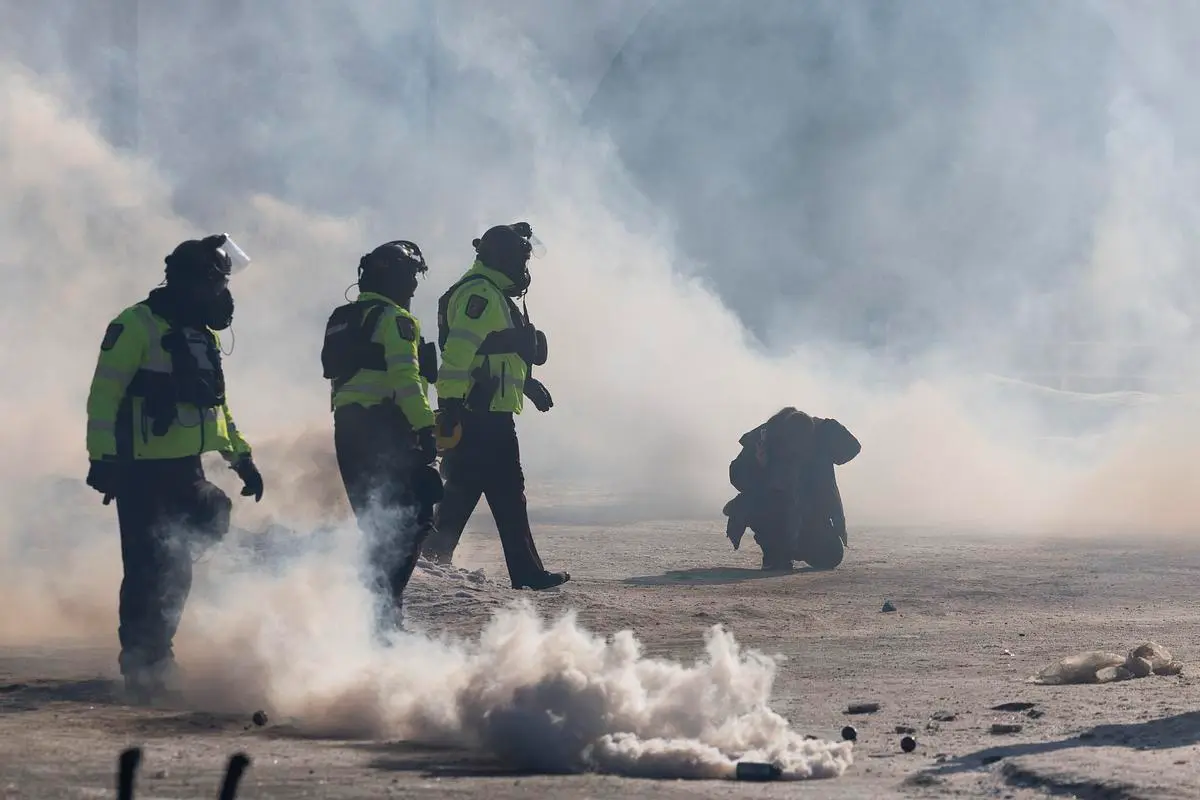
Minnesota Governor Tim Walz confirmed that a federal law-enforcement operation in Minneapolis on January 24, 2026, resulted in a man being shot and killed by federal agents. The incident has drawn statewide and national attention, prompting calls for thorough investigations from state and local officials, as well as questions about the role of federal law enforcement operating within Minnesota.
According to public statements from the governor’s office and local authorities, the shooting occurred during a federal immigration enforcement action in south Minneapolis. State authorities confirmed that the individual killed was a 37-year-old resident of Minneapolis. While additional details remain limited, officials emphasized the need for transparency and accountability.
Federal representatives, including officials from the Department of Homeland Security, stated that the agents were carrying out official duties at the time of the incident. They reported that the use of force occurred after the individual allegedly posed a perceived threat. The circumstances surrounding the shooting are currently under formal review by federal investigators, while state and local authorities have requested full cooperation and access to all relevant information.
Governor Walz described the incident as deeply troubling and said he had communicated directly with federal authorities following the shooting. He stressed the importance of ensuring that any use of lethal force by law-enforcement personnel, federal or state, is fully investigated and accountable to the public. In his statements, the governor urged calm and restraint as officials gather additional facts.
Minneapolis Police Chief Brian O’Hara also spoke publicly, calling for a careful review of the incident and emphasizing that local residents have a right to understand exactly what occurred. Both the governor and police chief highlighted the need for collaboration between state and federal agencies, noting that coordination is critical to prevent further misunderstandings or tragic outcomes.
The incident has sparked public concern and protests across Minneapolis. Community members have expressed anxiety about the presence of federal agents operating independently of local law enforcement. Many residents are calling for clarity regarding the protocols federal agents follow and how such operations are coordinated with state authorities to ensure public safety.
Federal law-enforcement operations in Minneapolis have become a point of public discussion over the past several months. Earlier incidents involving federal agents, including enforcement actions targeting individuals with pending immigration matters, have already raised questions about the balance between federal authority and state oversight. Some community advocates argue that these operations increase the potential for confrontations, while supporters of federal enforcement assert that the agents are performing essential legal duties to uphold federal law.
This most recent shooting is notable not only for its tragic outcome but also because it highlights the complex relationship between state and federal law enforcement in Minnesota. The U.S. Constitution grants federal agencies the authority to enforce federal laws, including immigration statutes, while the state maintains primary responsibility for public safety and policing within its borders. The tension between these responsibilities becomes particularly apparent when federal enforcement actions occur in densely populated urban areas.
Legal experts note that federal agents are authorized to operate nationwide but are generally expected to coordinate with local authorities to minimize conflicts and ensure public safety. When coordination is lacking, the potential for tragic incidents increases, as illustrated by recent events in Minneapolis. Both state and federal officials face pressure to clarify protocols and ensure that operations adhere to both federal mandates and state public safety priorities.
Historically, Minnesota has experienced a variety of federal-state law enforcement interactions. While most have proceeded without incident, there have been notable cases where federal operations led to public concern and legal scrutiny. These events often reignite debates over federal authority, state sovereignty, and the appropriate use of force, especially when civilian lives are at stake.
The broader national context also provides insight into why this incident has drawn attention beyond Minnesota. Across the United States, federal immigration and law-enforcement operations have occasionally resulted in confrontations with local communities, sparking protests and legal challenges. The balance between federal enforcement authority and community trust has long been a delicate issue, requiring careful adherence to both legal requirements and procedural safeguards.
In Minnesota, state leaders are emphasizing that investigations should be transparent and that residents have a right to reliable information. Governor Walz has requested that both state and federal agencies provide detailed reports on the circumstances of the shooting, including whether proper protocols were followed, whether the use of force was justified, and whether additional measures are needed to prevent similar incidents in the future.
Community organizations and civil-rights advocates have also called for clarity on federal enforcement actions. They highlight concerns about civil liberties, the potential for racial or ethnic profiling, and the need for local accountability. These organizations argue that federal agents operating within cities must be subject to oversight to protect the rights and safety of residents.
The federal government maintains that its agents are trained to handle a variety of enforcement scenarios, including high-risk operations. Nevertheless, federal officials acknowledge that any use of lethal force is a serious matter that requires investigation and accountability. In this instance, federal investigators are reviewing the circumstances surrounding the shooting, including agent conduct, operational planning, and engagement rules.
Legal scholars observe that incidents such as this one often raise questions about the limits of federal authority and the responsibilities of state governments. Minnesota has constitutional and statutory powers to regulate law enforcement within its borders, yet federal law provides agencies with the ability to operate nationwide. The interaction between these jurisdictions requires careful planning and mutual respect to prevent unnecessary conflict and protect public trust.
In addition to legal and constitutional considerations, the incident has a human and social dimension. Families, neighbors, and colleagues of the individual involved are directly affected, and the community is grappling with questions of safety, justice, and accountability. Local leaders emphasize the importance of maintaining civil discourse and avoiding the escalation of tensions while investigations are ongoing.
State authorities have confirmed that they are reviewing all available information, including video footage, witness accounts, and federal reports. Law enforcement has asked the public to avoid speculation and to allow investigators to complete their work. This approach is intended to ensure that any conclusions are based on evidence rather than rumor or political pressure.
The incident also raises policy questions about the presence of federal agents in urban areas, particularly when there is limited coordination with local law enforcement. Discussions may include considerations such as operational oversight, reporting requirements, inter-agency communication, and engagement protocols designed to minimize risks to civilians.
Looking forward, Minnesota leaders are emphasizing the importance of transparency and collaboration. The governor’s office has indicated that ongoing communication with federal authorities will continue and that any lessons learned from this incident may inform future policies and procedures. Residents, lawmakers, and advocacy groups will be closely monitoring the investigation and its outcomes.
Ultimately, this tragic event underscores the importance of clear rules, careful planning, and mutual accountability when multiple layers of government share responsibility for law enforcement. It also highlights the need for trust between agencies and the communities they serve, which is essential for public safety and the preservation of civil liberties.
As investigations continue, both federal and state authorities face the challenge of balancing legal obligations, operational effectiveness, and public confidence. How these investigations are conducted and communicated to the public will likely influence future interactions between federal and state law enforcement in Minnesota and may inform national discussions about the proper role of federal agencies in domestic enforcement.
Minnesota residents are encouraged to stay informed through official channels while remaining patient as investigators complete their work. The governor, city officials, and law enforcement have all emphasized that transparency, accountability, and due process are fundamental to ensuring that justice is served and public trust is maintained.
In conclusion, the fatal federal-agent shooting in Minneapolis has brought to light ongoing challenges in balancing federal authority, state oversight, and public safety. The incident serves as a reminder of the need for careful coordination, clear rules of engagement, and transparent investigations to prevent future tragedies while protecting the constitutional rights and safety of Minnesota residents.
This article has been spell-checked and reviewed for punctuation by artificial intelligence.